Bangkok can feel intense when you first arrive. The heat is immediate, traffic flows constantly, and everything seems to happen at once. Food stalls sit next to temples, office towers rise above old neighborhoods, and daily life unfolds right in front of you. It is busy and energetic, but it does not take long to realize that it is more lively than overwhelming.
For first-time visitors, the key is not trying to see everything. The thing about three days in Bangkok is that it sounds short and it is, but it is also enough time to get a real feel for the city if you are smart about how you spend it. You will not see everything, you will barely scratch the surface but you can absolutely eat incredibly well, see the main sights, and get a sense of how Bangkok actually works beyond the tourist trail.
This itinerary is designed to help you ease in, explore beyond the obvious, and leave feeling like you actually experienced the city. You get to experience Bangkok like a local instead of just checking boxes.
Day One: Arrival and Orientation
Your first day should be about settling in and understanding how Bangkok moves. Start slow. Early mornings are calmer and give you a gentler introduction to the city.
Begin by visiting the Grand Palace in the morning. It is touristy and it will be crowded, but it is also genuinely spectacular and you will regret skipping it. Get there early before the tour buses arrive. The Temple of the Emerald Buddha inside the complex is covered in gold leaf and the detailing work is incredible. Take your time walking through. Look at the demon guardians, the murals, the way European architecture mixes with traditional Thai design.
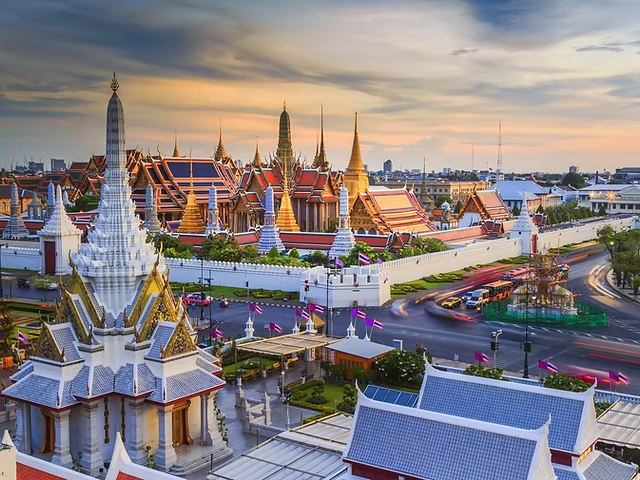
This is one of those places where having someone explain what you are seeing makes a real difference. The history is complex and a lot of the symbolism will fly right over your head without context. A local guide can point out details you would completely miss and explain why this place matters to Bangkok's identity. But even if you are exploring on your own, slow down and actually look at things instead of just taking photos.
By late morning, it will be hot and you will be tired. This is when you need to understand how Bangkok works. Locals do not fight through the midday heat. They take a break. Find a café in the old town, get an iced coffee, and sit for a while.
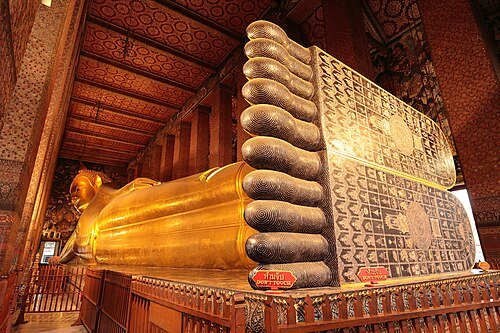
After lunch, walk over to Wat Pho to see the Reclining Buddha. It is just south of the Grand Palace but much calmer. The Buddha itself is 46 meters long and covered in gold. But the best part is wandering the quieter courtyards where actual monks are going about their day. Wat Pho also has a massage school and getting a traditional Thai massage here is a good idea. It is not fancy but it is authentic and your body will thank you after all the walking.
In the evening, take a ferry on the Chao Phraya River. You can go to Asiatique if you want but honestly the ride itself is the point. You get to see Bangkok from the water and watch how the city transitions from temples to modern high-rises along the riverbank. The ferry is cheap and locals use it to commute so you are not doing anything touristy.
Eat somewhere simple tonight. Your taste buds are still adjusting. Find a riverside spot serving pad thai and tom yum and cold beer. Notice how everything here is balanced with sweet, sour, salty, and spicy in every dish. That is how Thai food works.
Day Two: Neighborhoods, Culture, and Food
By day two you have your bearings. The jet lag is better. Today is about getting into the neighborhoods where Bangkok actually happens, not just the tourist landmarks.
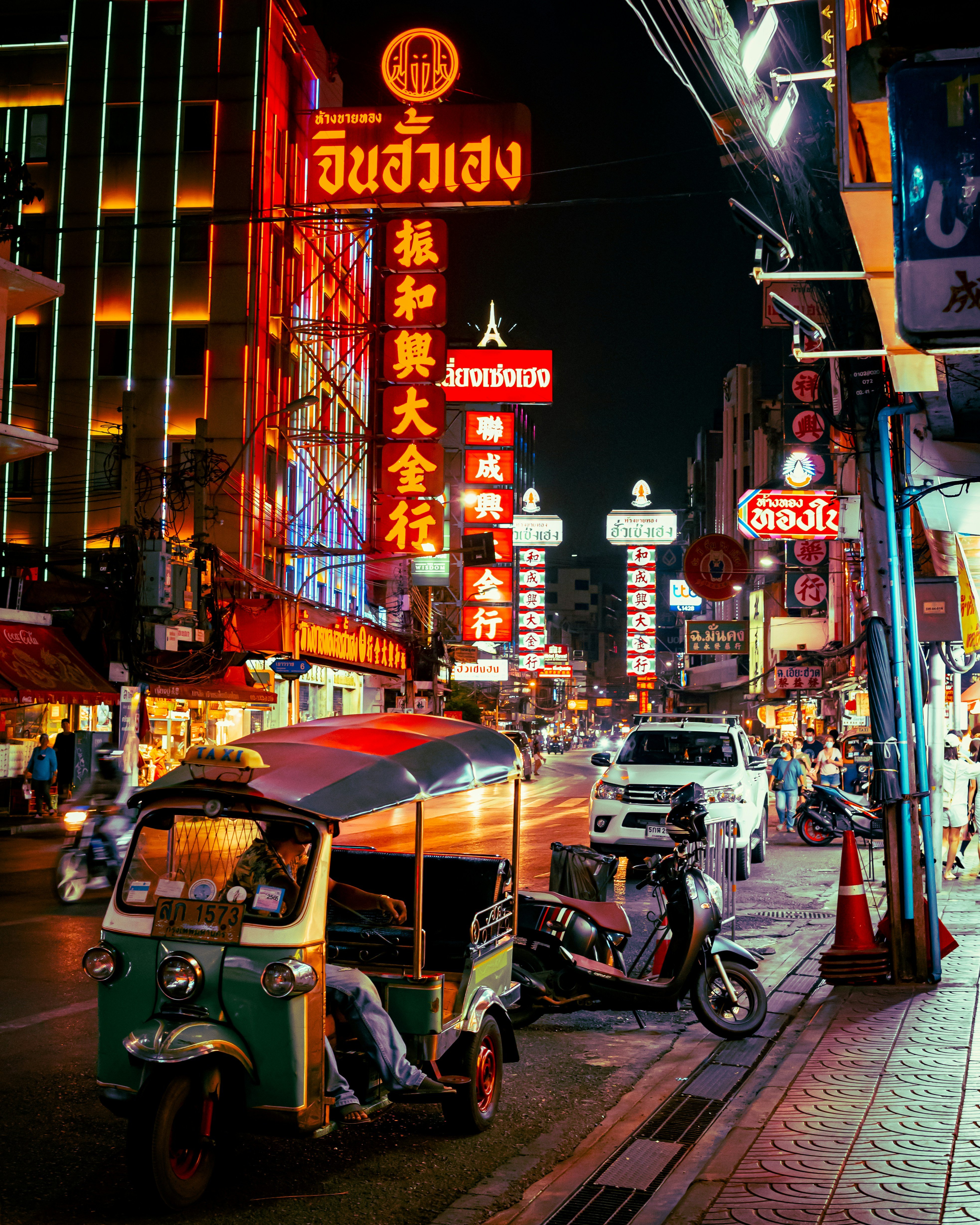
Start in Chinatown around Yaowarat Road. This is old Bangkok before the malls and high-rises took over. The streets are narrow and packed. Gold shops next to herb stores that smell like dried mushrooms. Street food vendors who have been in the same spot for decades making one dish perfectly.
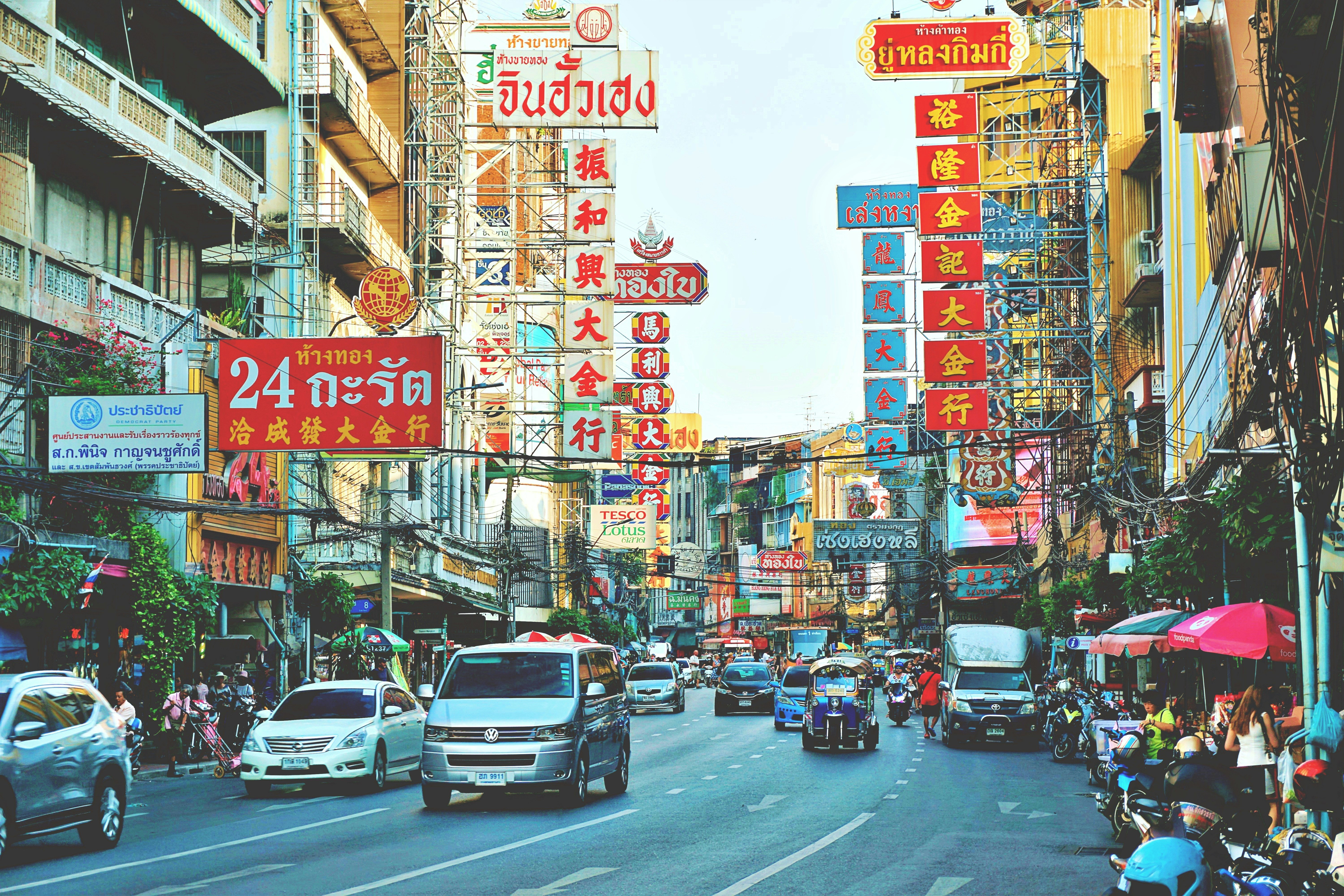
This is where things to do in Bangkok stops being about what to see and becomes about how you move through a place. You could visit Wat Mangkon Kamalawat and watch people pray. Or you could just wander with no plan and stop when something catches your attention.
Food is central here. Chinatown especially is one of the best places to eat in the city, not because it is trendy but because it is consistent. Vendors specialize in a few dishes and do them well. A local guide who knows Chinatown can show you the spots that are best for your taste.
By late morning, head to the khlongs in Thonburi on the west side of the river. These canals used to make Bangkok the Venice of the East. Most have been paved over but in some neighborhoods they still define how people live. Take a long-tail boat through the canals and see Bangkok from a completely different angle. Houses on stilts, Temples hidden in the trees and vendors selling food from small boats.
Lunch today should be good. Head to a neighborhood like Ari or Thonglor where younger Bangkokians eat when they want something more interesting than street food. These areas are where chefs who trained abroad come back and riff on Thai classics. Order more than you think you need and share. That is how meals work here.
Spend the afternoon at a local market. Not Chatuchak yet. Try Or Tor Kor Market or Khlong Toei Market where Bangkokians shop for groceries.
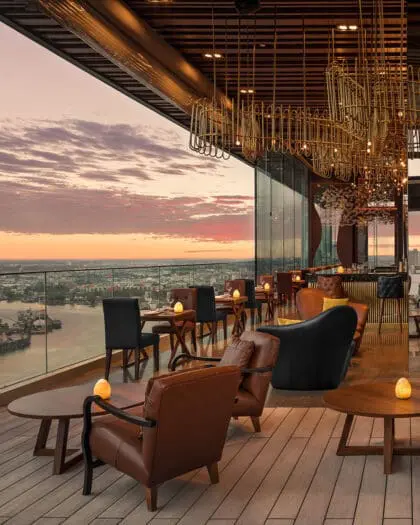
In the evening, hit a rooftop bar for one drink and some perspective. Bangkok makes more sense from above. You can see how it grew along the river and then sprawled outward, how old and new sit side by side.
Tonight, eat at a street food stall in Sukhumvit or near Victory Monument. Order what the person next to you is eating. Bangkok's street food is where everyone from construction workers to office workers ends up over the same grilled pork and som tam. This is what experiencing Bangkok like a local actually means. Not pretending to be something you are not, just participating in how daily life works here.
Day Three: Personal Discovery and Hidden Depths
Day three is when you get to be selective. You have seen the main sights and figured out how the city works. Now you can follow whatever interests you most. Markets if you like shopping, museums if you want history, quieter temples if you need a break from the crowds. Bangkok has layers. The question is which ones you want to explore.
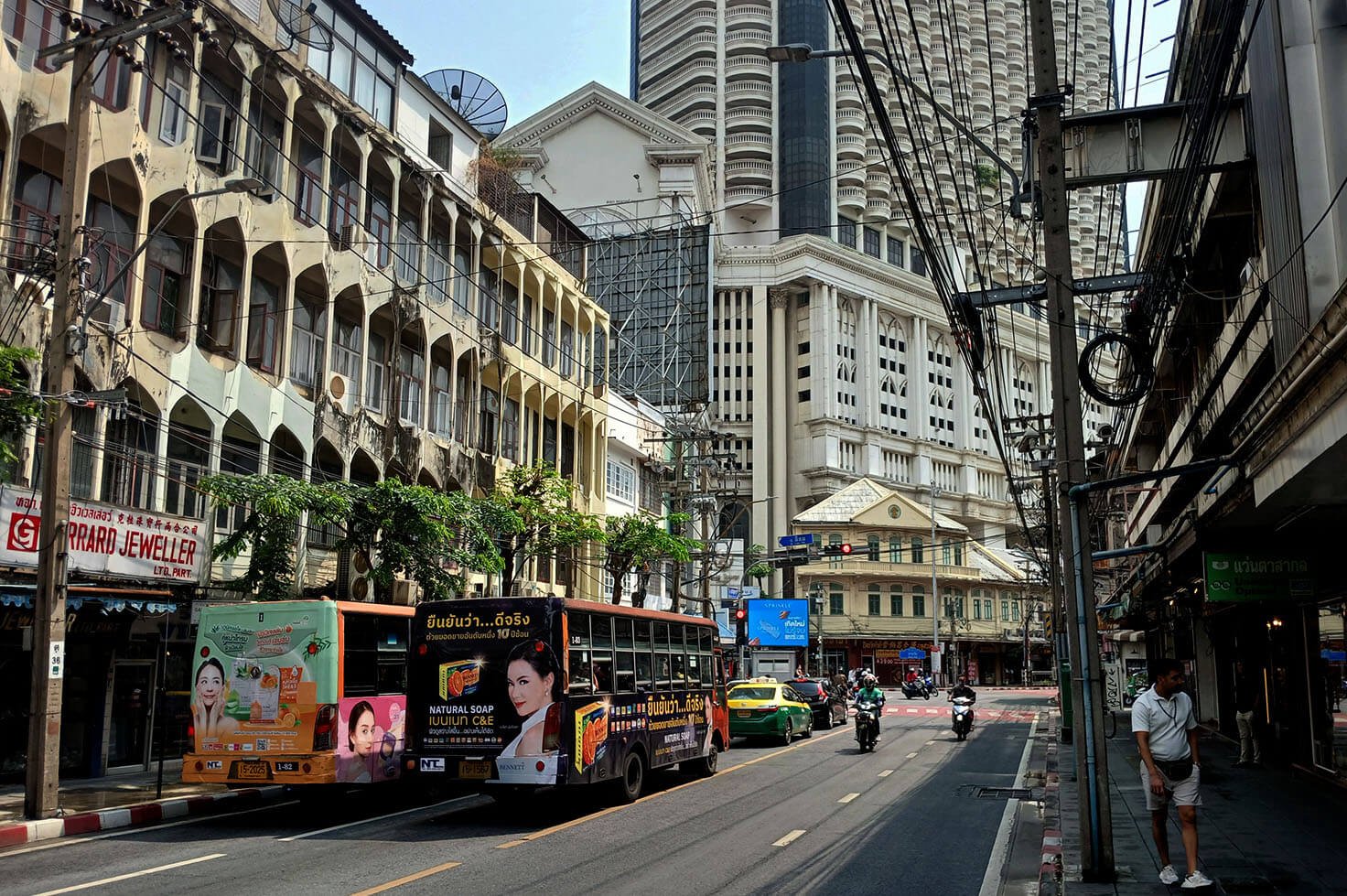
If you are into design and craft, spend the morning around Charoenkrung Road. This is where old Bangkok buildings have been turned into galleries and studios and cafés serving good coffee next to traditional Thai desserts. Check out shops selling ceramics from local artisans or textiles from northern villages. The Museum of Contemporary Art is here too if you want to see how Thai artists are thinking about modern identity.
This is also a good day for lesser-known temples. Wat Saket, the Golden Mount, has one of the best views in Bangkok from the top of a 79-meter hill. The climb is 300 steps through trees and past bells that people ring for luck. At the top you can see the whole city spread out and understand how the temples anchor everything despite all the concrete. Go in late afternoon when the light is good and the crowds thin out.
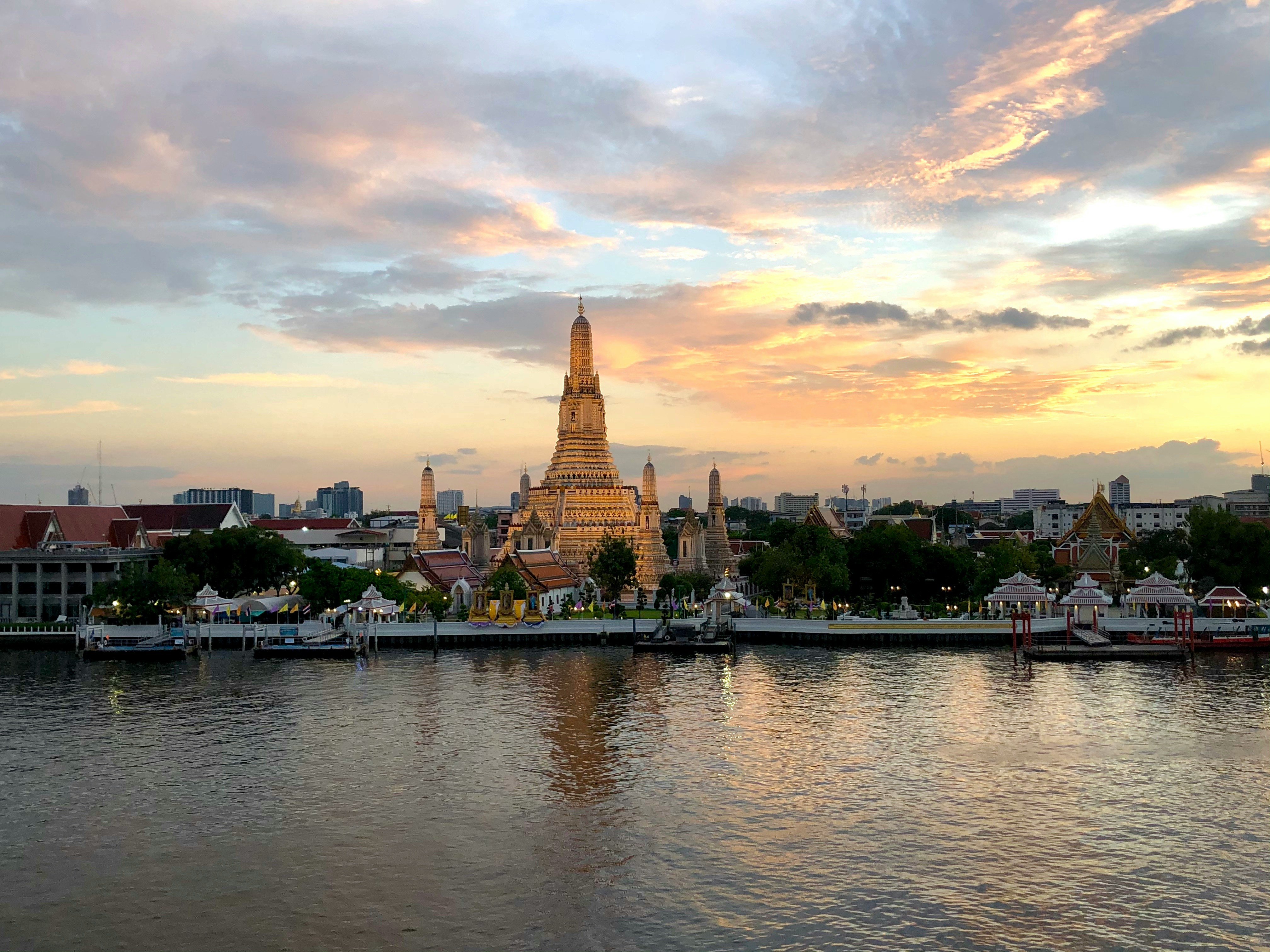
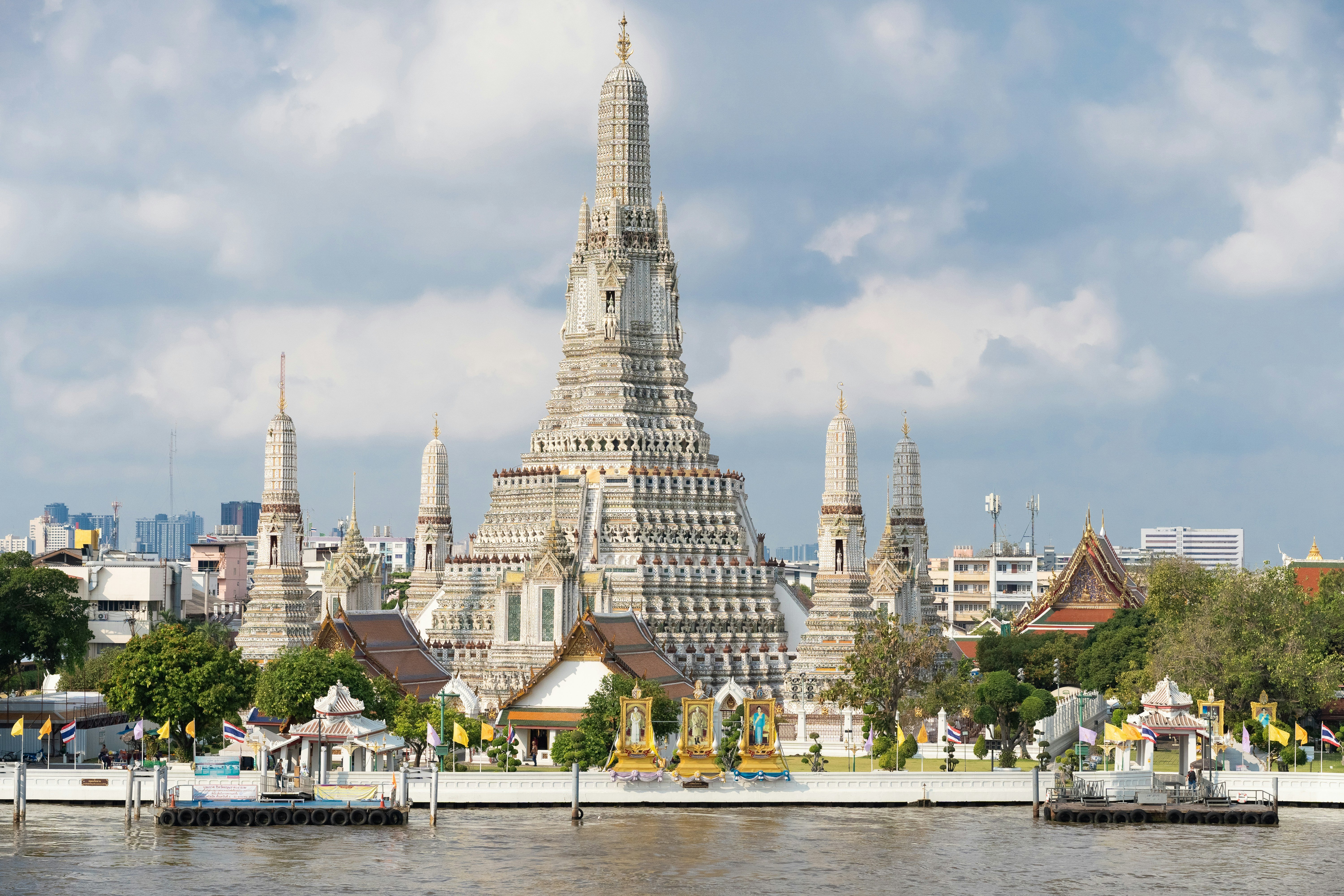
Or try Wat Arun, the Temple of Dawn, across the river from the old town. The central tower is 70 meters high and covered in pieces of Chinese porcelain that catch the light. Most people just photograph it from across the water but if you climb the steep steps to the upper levels you get a totally different experience. From up there you can see the Chao Phraya winding through the city.
The nice thing about day three is flexibility. If you need to slow down, spend the afternoon at Lumphini Park where locals jog and practice tai chi and feed the giant monitor lizards that hang out by the ponds. If you want one more market, this is when you hit Chatuchak, the massive weekend market with 8,000 stalls spread across 27 acres. But go with a plan. Know which sections you care about whether that is vintage clothes or handmade soap or antique Buddhas. Without focus Chatuchak will wear you out.
In your last afternoon, do something that creates an actual memory beyond just sightseeing. Take a cooking class where you learn to balance flavors by tasting constantly the way Thai cooks do. Visit a local family and see how they actually live. Walk through a neighborhood with someone who grew up there and can show you the school they went to, the market where their mom shopped, the temple where they were ordained as a monk. These moments shift Bangkok from being a place you visited to a place you connected with.
This is what most three-day Bangkok itineraries miss. The city is not a collection of sights to check off. It is where 10 million people live their actual lives. The temples and markets and street food all matter more when you understand the context.
The City That Reveals Itself Through People
Three days in Bangkok is enough to fall for the city but not nearly enough to see everything. You will leave with a list of places you did not get to, dishes you meant to try, neighborhoods you only saw from a taxi. That is fine. Bangkok is not the kind of place that gives up all its secrets in one visit.
What three days does give you is context. You understand now that the chaos actually has a flow to it. You know how to use the BTS and grab a taxi and eat without being nervous about it. You have felt the heat and tasted the food and heard the particular mix of traffic and temple bells and vendor calls that makes up Bangkok's soundtrack. Most importantly, you have learned that the best experiences happen when you stop following the guidebook so strictly and start paying attention to the actual city.
This is where local knowledge makes a real difference. A Bangkok itinerary for first-time visitors can tell you where to go but it cannot tell you why those places matter or how they fit into the bigger picture. That kind of knowledge comes from people who live in Bangkok, who navigate it every day, who know which experiences will actually resonate with travelers and which are just noise.
For travelers who want to experience Bangkok with clarity and confidence, connecting with locals who know the city from the inside changes everything. Lokafy connects you with people who do not just know Bangkok but live it. These are guides who genuinely want you to see their city the way they see it. They understand that the best itinerary balances structure with flexibility, iconic sights with unexpected discoveries, and they can turn three days into something both comprehensive and personal.
Enjoyed this article?