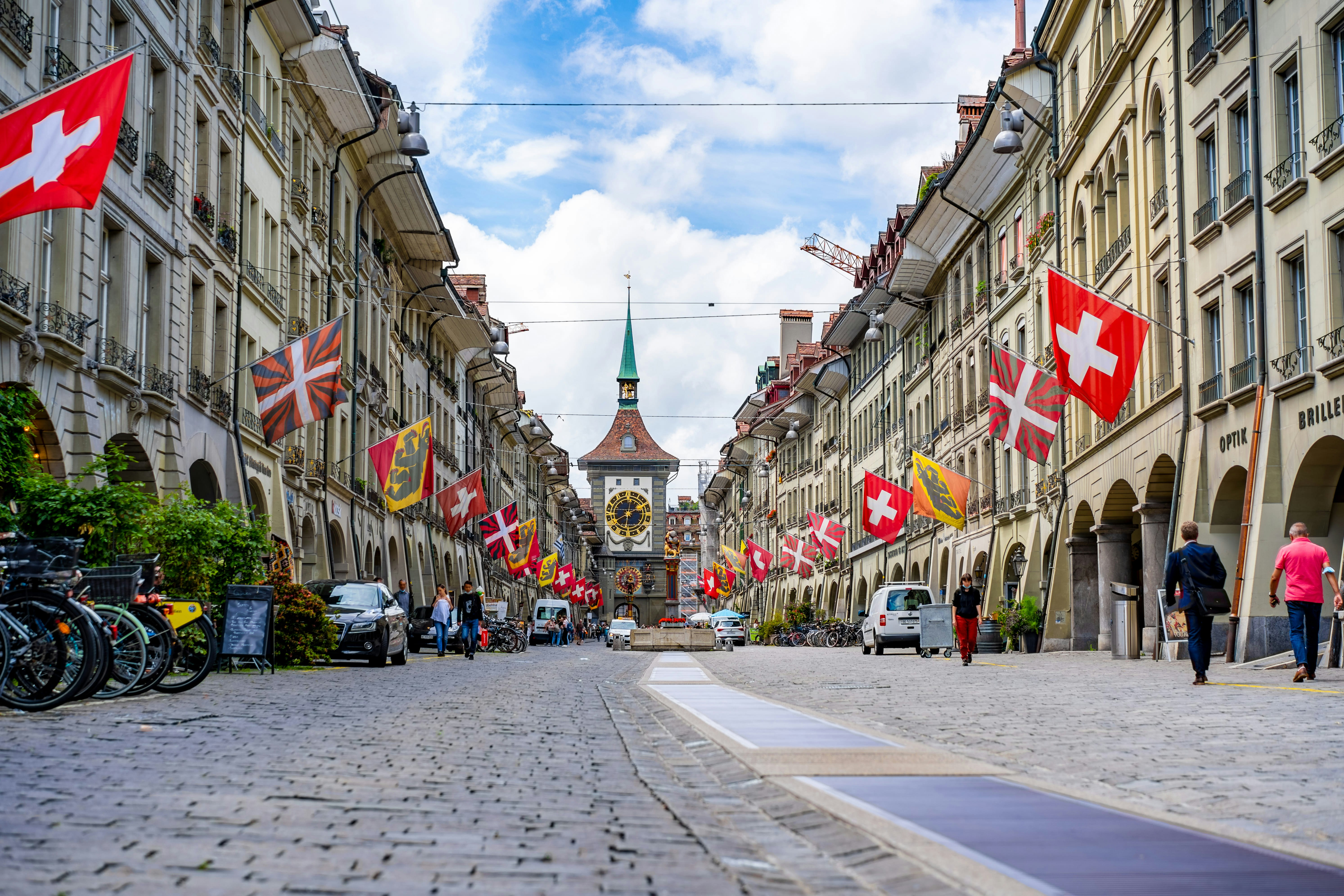
The first time I stood under the Zytglogge and watched half the square go quiet for a clock tower, I understood why Bern doesn't bother competing with Zurich or Geneva for attention. It doesn't need to. Switzerland's capital is a UNESCO Old Town wrapped around a bend in the Aare river, small enough to cross end to end in under half an hour, and built long before cars, so every street was made for feet first. That makes it one of the easiest cities in Europe to explore on foot, solo with nothing but a day pack, or with the rest of the family in tow and a stroller bumping over cobblestones.
This guide covers the walking routes that work well on a first visit, where locals send their own kids on a Saturday afternoon, and the corners solo travelers tend to stumble onto on their second lap through town.
Quick Guide: Bern Walking Tour Key Takeaways
- Primary Recommendation: Start at the Zytglogge and loop through the Old Town on foot. The whole UNESCO center covers well under a square kilometer, so you can see the clock tower, the cathedral, and the river on a single loop without needing transport.
- Top Choice for Families: The Bärenpark bear enclosure along the Aare, paired with the 26 fountains at Bundesplatz. Pro tip: skip the Münster spire climb (344 steps) with young kids and head for the free splash fountains instead, especially on a hot afternoon.
- Value Pick for Solo Travelers: The Marzilibahn funicular down to the river, then a walk along the Aare toward Lorraine. It's a one-minute ride for the price of a bus ticket, and it drops you somewhere most day-trippers skip entirely.
- The Best Way to See the City: Take a private, personalized walking tour with Lokafy in Bern and discover the city's fountains, bridges, and back streets with a local who lives there.
Why Bern Is Built for Walking
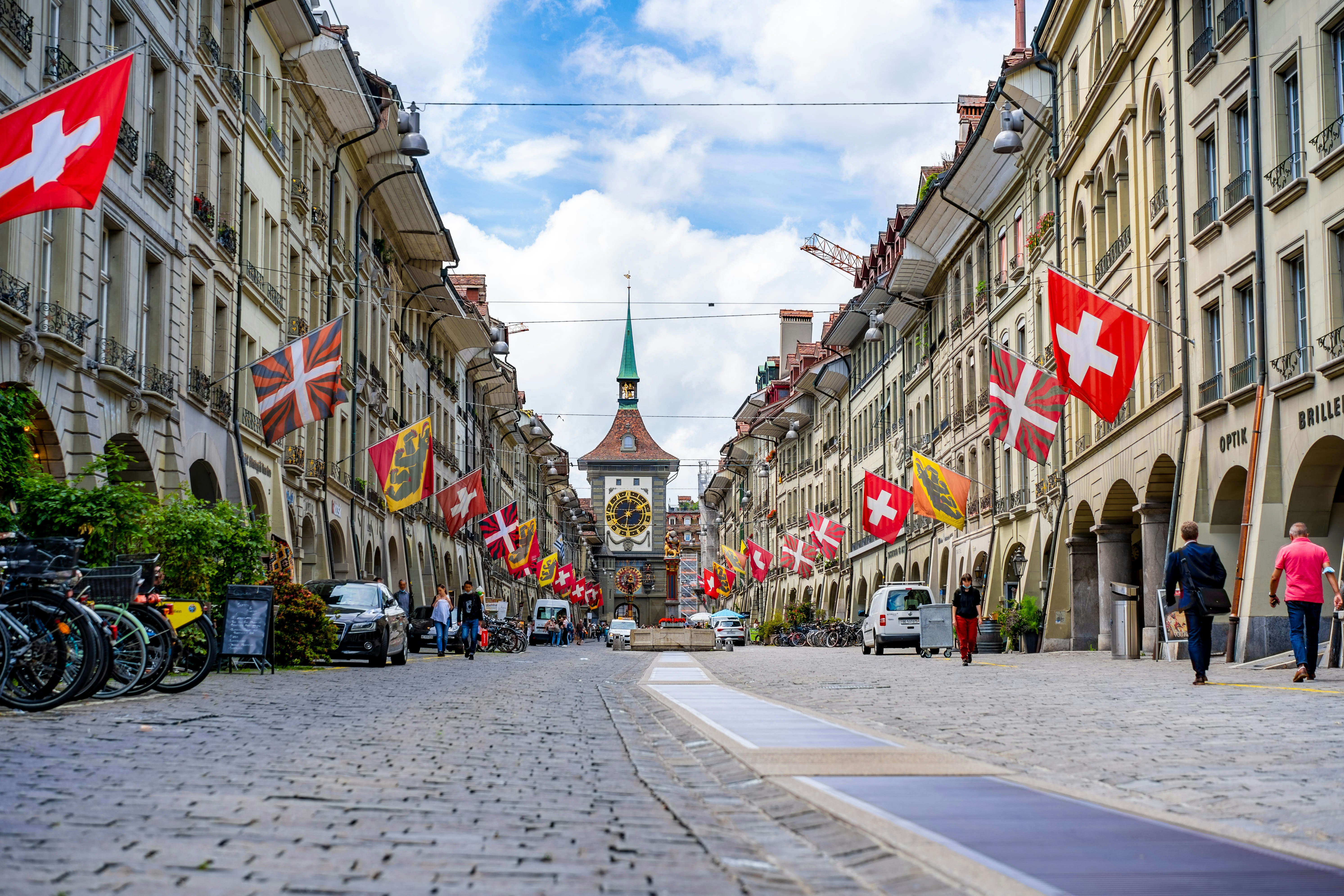
Bern was founded in 1191 by Duke Berthold V of Zähringen on a peninsula formed by a bend in the Aare, and the street plan hasn't changed all that much since. Fire tore through the wooden city in 1405, and everything got rebuilt in the pale grey sandstone that still defines the Old Town today. The result is close to six kilometers of covered arcades running under the buildings on Marktgasse, Kramgasse, and Gerechtigkeitsgasse, so a wet afternoon doesn't slow you down much. Five bridges cross the Aare, and the entire historic center sits within about a fifteen-minute walk end to end.
That's the part people don't expect from a national capital. Bern isn't sprawling. It's dense and legible in a way that makes it forgiving for a first-time visitor traveling alone, and manageable for parents who don't want to wrestle a stroller onto public transport every twenty minutes.
Getting In and the One Ticket Worth Knowing About
Most visitors arrive by train. Zurich to Bern takes under an hour, with departures roughly every half hour, and Geneva isn't much further. Bern's own airport handles only a handful of regional routes, so almost everyone lands elsewhere in Switzerland and rides the rail in, which works out well since the main train station drops you a five-minute walk from the Zytglogge.
Here's the tip that saves money fast: most hotels in Bern hand out a free Bern Ticket at check-in, valid for unlimited trams and buses across the city for the length of your stay. It's easy to forget to ask for it, so mention it at the front desk if it isn't offered automatically. You'll likely spend most of your visit on foot anyway, but it's useful for the days you want to reach Gurten or the zoo without walking the whole way there.
The Old Town Loop: Fountains, Arcades, and a Clock Everyone Waits For
Begin at the Zytglogge, the clock tower built around 1218 that once marked the western edge of the city before Bern expanded past it. Four minutes before each hour, a small mechanical show runs through its astronomical dial, and there's usually a small crowd waiting, phones up, kids on shoulders. From there, Kramgasse and Gerechtigkeitsgasse run past most of Bern's eleven Renaissance fountains, painted and gilded, each one depicting a different historical or folk figure. The strangest by far stands at Kornhausplatz: the Kindlifresserbrunnen, a stone ogre caught mid-bite on a child, with more children tucked under his arm for later. Nobody agrees on what it's supposed to mean, and that's part of the fun of pointing it out to kids who are old enough not to have nightmares about it.
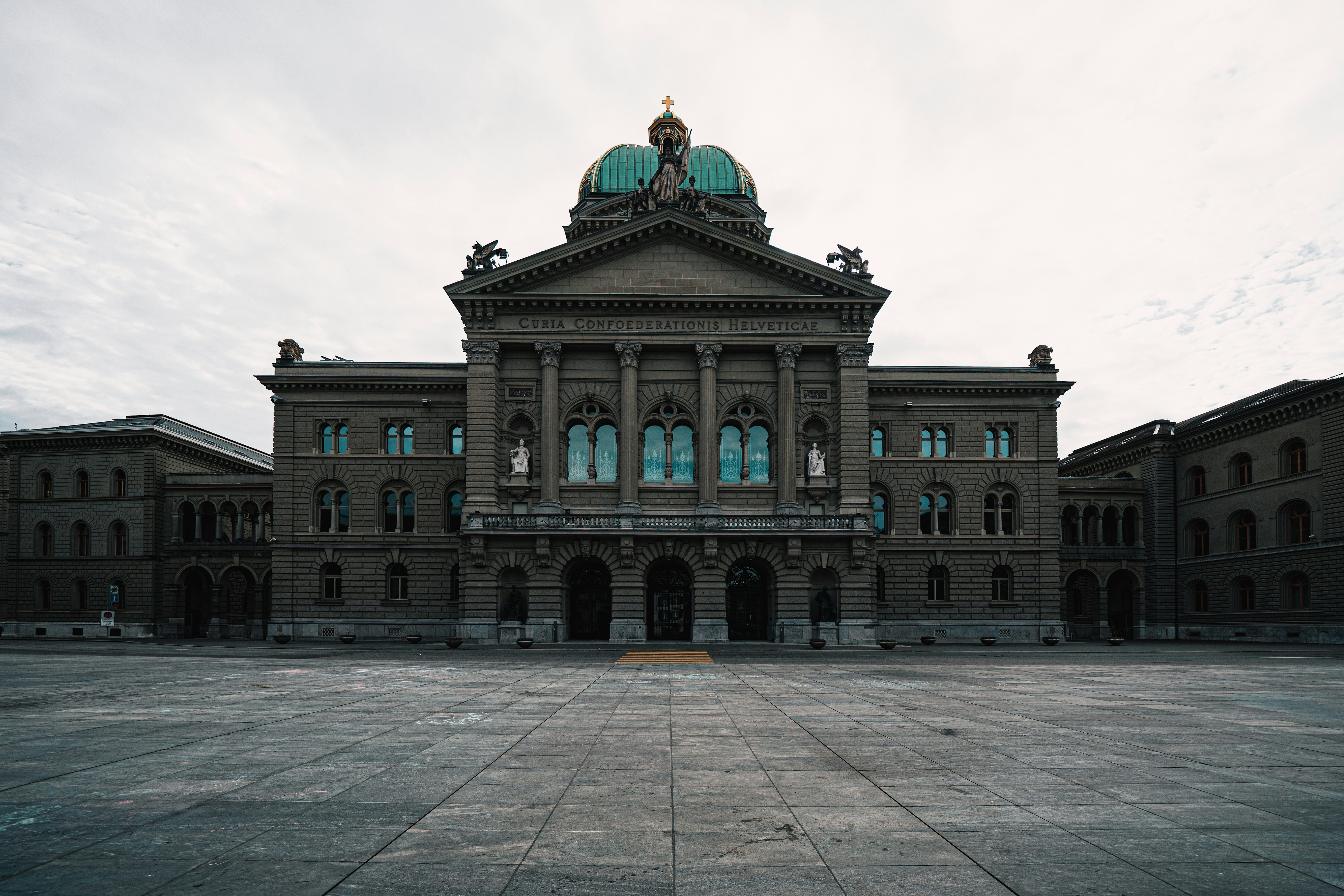
Keep walking toward Münsterplatz and you'll reach the Bern Münster, Switzerland's tallest cathedral, with a spire you can climb via 344 steps for a view over the rooftops and the river bend below. It's worth doing once, though it's not a great fit for a stroller or a toddler who's already walked half the Old Town. From the cathedral, the Bundeshaus, home to the Swiss parliament, sits a few minutes further, fronted by the Bundesplatz and its 26 fountains, one for each Swiss canton. They shoot up at random through the summer months, and kids run through them soaked to the knees while parents watch from a bench nearby. The square runs a market on Tuesdays and Saturdays, mostly produce and flowers, worth a slow pass even if you're not buying anything.
Down to the River: Matte, the Funicular, and the Bears
From Münsterplatz, a set of stairs drops down into Matte, Bern's old riverside quarter, once home to boatmen and mill workers and still noticeably quieter than the streets above. If your legs are tired, the Marzilibahn funicular covers the same descent in about a minute. It opened in 1885, making it one of the oldest funiculars still running in Europe, and the fare is barely more than a coffee.
Once you're at the river, you're at the edge of Bern's favorite unofficial sport. Locals swim the Aare all summer, letting the current carry them downstream from one marked entry point to the next, and the city posts signs along the bank showing the safest spots to get in and out. It's cold even in August and the current moves faster than it looks, so it's not something to try with small children without a close eye, though watching from the Nydeggbrücke bridge is entertainment on its own.
Across that same bridge is the Bärenpark, a hillside enclosure built into the riverbank for Bern's resident bears, who've been tied to the city since a founding legend about Duke Berthold V and a hunting trip gave Bern its name and its symbol. The bears moved out of their old, cramped pit in 2009 and now have room to dig and swim, mostly ignoring the people watching from the path above.
Bern With Kids: Where Local Families Go
Beyond the fountains and the bears, a few spots come up again and again among Bern parents looking to burn off some energy. Schützenweg playground in Breitenrain, known locally as Schützi, is more adventure course than playground: a pirate ship, an old car chassis kids can climb into, a sandbox with running water, and enough hiding spots that grown-ups tend to lose track of their own kids for a minute. It's a short tram ride from the center and worth the detour if your visit runs more than a day.
Zoo Bern, also called Dählhölzli, sits along the river and costs nothing to enter. It's small by zoo standards, which works in its favor with younger kids who lose patience fast, and the petting area is a reliable hit. For something bigger, the Gurten funicular climbs a hill south of the city to a park with a mini train, a ball-run track, and sweeping views back over Bern and the Alps behind it. Pack a picnic. There's a restaurant at the top, but the grass is free and the view is the same either way.
Bern Alone: Why It Works Even Without Company
Solo travelers tend to underrate Bern, mostly because it doesn't have the reputation of Zurich or the drama of Lucerne's mountains. What it has instead is a city small enough to navigate without a plan and calm enough to wander after dark without much second thought. Cross the Lorrainebrücke bridge north of the center and you're in Lorraine, a quieter, more residential district with fewer souvenir shops and more of the cafes where students and locals spend their afternoons.
For a solo dinner that doesn't feel like eating alone in a formal dining room, look for counter seating at smaller Old Town spots, or grab something from the Tuesday or Saturday market stalls and eat it on a bench at the Rosengarten, the rose garden on the hill above the Aare with the best skyline view in the city, especially as the light starts to go gold before sunset.
If your trip happens to fall in August, keep an ear out in the Old Town streets. Bern runs a free, multi-day busking festival most summers, with musicians and street performers taking over the arcades into the evening. Dates shift from year to year, so it's worth checking before you go, but if it lines up with your visit, it's one of the better reasons to be out walking those streets after dark.
Where to Eat: From Rösti to a Cellar Everyone Still Books Out
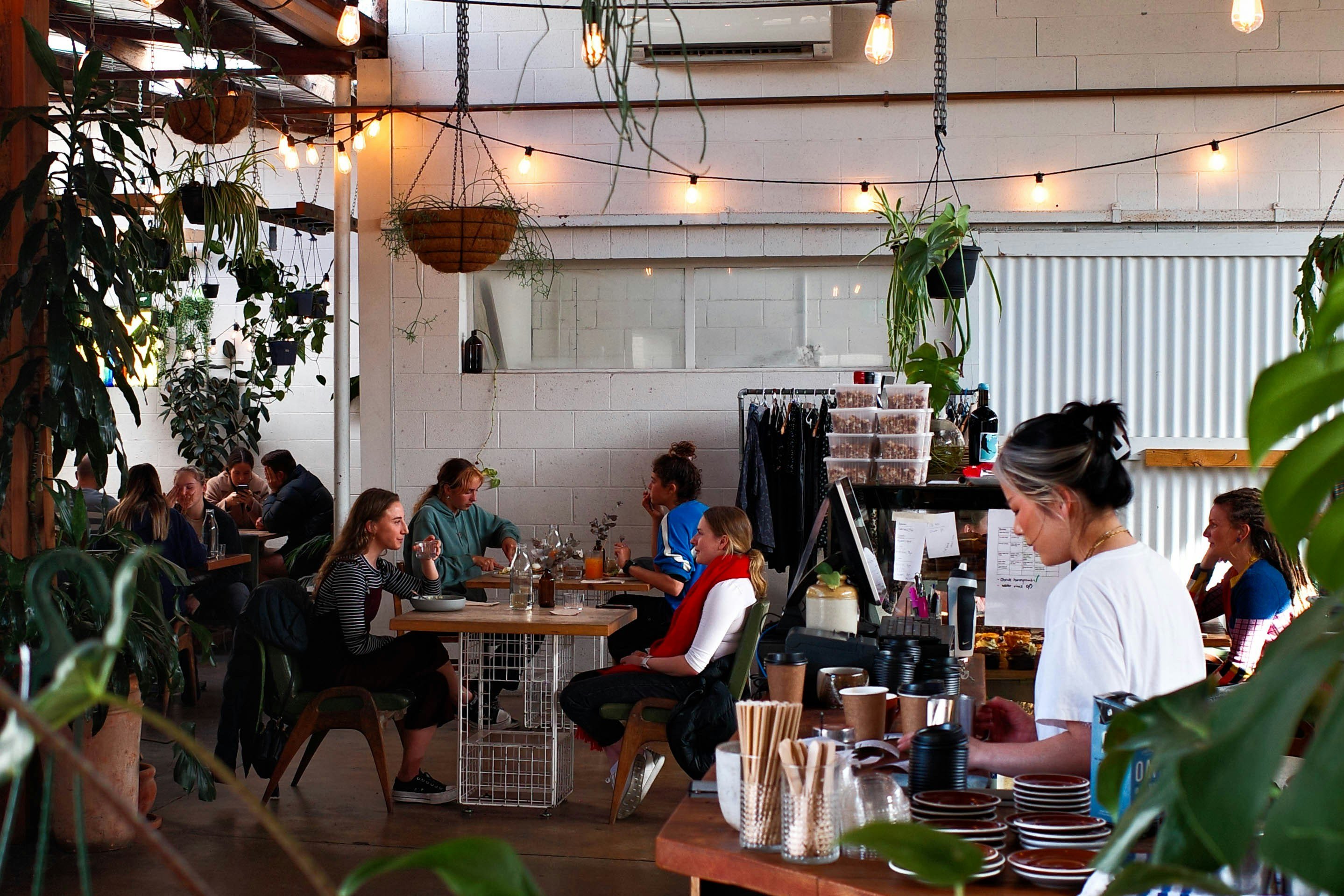
Bernese food leans hearty. Berner Rösti, shredded potato pan-fried with onion and bacon until the edges crisp, shows up on most menus, alongside the Bernerplatte, a plate piled with several cuts of pork, sausage, and sauerkraut that's closer to a small feast than a single dish. Restaurant Zum Zähringer in Matte has been serving from the same corner for centuries, with a terrace over the river and a kitchen known locally for its pasta. Kornhauskeller, set in a converted grain cellar near the Zytglogge, is worth the reservation if you want something a step above casual. For something lighter and faster, Bakery Breitenrain runs two locations known for vegan pastries and a brunch spread that draws a weekend queue, and Einstein Café, tucked into the upper floor of the house where Einstein once lived, is a good stop for coffee and cake between Old Town sights.
A Few Things Worth Knowing Before You Go
The Old Town's arcades mean rain rarely ruins a day here, since most of the main shopping streets run under cover. Sandstone cobbles get slick when wet, though, so comfortable shoes matter more than they do in most European cities. Bern sits at a higher elevation than it looks on a map, so summer evenings cool off fast even after a warm afternoon, worth packing a layer for. And if you're weighing the cathedral spire climb, know that access runs on a seasonal schedule, so check ahead rather than showing up expecting to walk straight up.
Walk Bern With Someone Who Knows Every Shortcut

You could piece together this route yourself, and you'd see most of what matters. But a private walking tour means someone who's spent years in this city can adjust on the spot, skip the crowd at the clock tower, and take you down whichever alley happens to be quiet that day. Take a private, personalized walking tour with Lokafy in Bern and see the Old Town, the river, and the bears through someone who calls this city home.
Book your Bern walking tour with Lokafy →
FAQ
Is Bern walkable? Yes, more than most European capitals. The UNESCO Old Town covers well under a square kilometer, arcades cover most of the main streets, and five bridges connect the center to the river districts without needing transport for most of a day.
How many days do you need in Bern? A single full day covers the Old Town loop, the river, and the bears comfortably. Two days lets you add Gurten, a museum, or a slower pace through Lorraine and Matte without rushing.
Is Bern good for solo travelers? Yes. It's compact and easy to navigate without local language skills, and the walkable center means you're never far from a landmark to reorient by. Evenings in the Old Town stay lively enough to feel comfortable walking alone.
Is Bern family-friendly? Very. Free fountains to splash in, a free zoo, a funicular kids love riding on its own merits, and a compact center mean short walks between stops rather than long stretches with a tired child in tow.
Can you swim in the Aare? Locals do it all summer, and the city marks entry and exit points along the bank. The current is stronger than it looks and the water stays cold even in August, so it's an activity for confident swimmers and close supervision with kids rather than a casual dip.
Is Bern expensive? Switzerland overall runs pricier than most of Europe, and Bern is no exception for dining and accommodation. Walking the city costs nothing beyond what you spend on food, though, and several of the best family activities, including the zoo, the fountains, and the Old Town itself, are free.
What's the best time of year to visit Bern? Late spring through early autumn brings the mildest weather and the fountains running at Bundesplatz. Summer evenings stay pleasant for walking after the day's heat fades, though it's worth packing a layer since temperatures drop faster than you'd expect once the sun goes down.
Enjoyed this article?